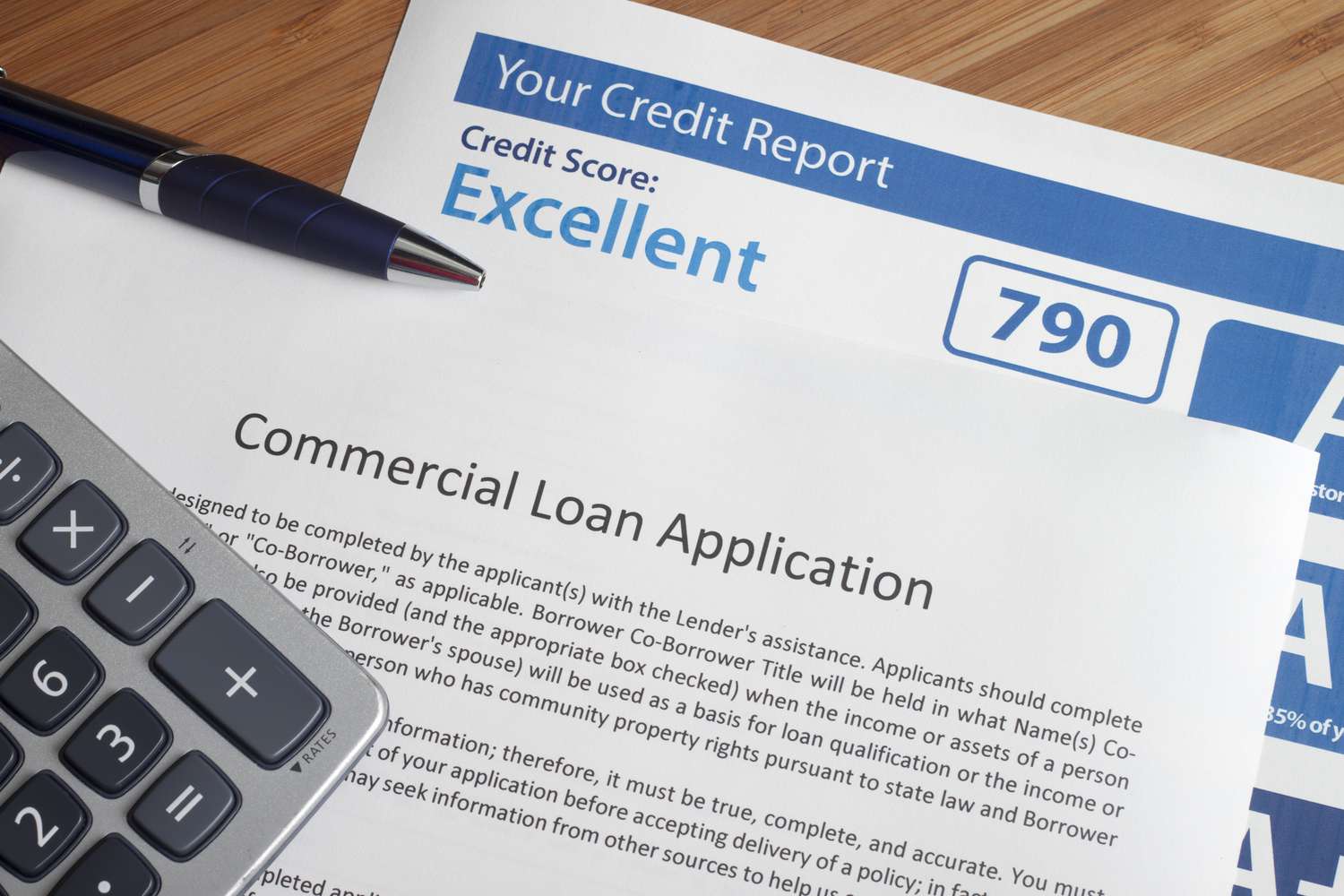
Personal Credit vs Business Credit: How Separating the Two Creates Real Funding Freedom
Personal Credit vs Business Credit: How Separating the Two Creates Real Funding Freedom
Most new entrepreneurs start their business using one thing they already have: their personal credit. This works in the beginning, but it can only take you so far. If every business expense relies on your personal profile, your utilization rises, your score drops, and your funding power shrinks. As your business grows, this approach becomes risky and expensive.
True funding freedom begins when you separate your personal identity from your business identity. This separation allows your LLC to carry the weight of expenses, debt, and financial responsibilities while your personal credit remains protected.
Understanding the difference between personal credit and business credit is one of the most important steps in scaling without burning out your credit profile. Let’s break down what makes them different, how they work together, and why every entrepreneur should know how to separate the two.
Why Personal Credit Should Not Carry Your Entire Business
Personal credit was never designed to handle ongoing business activity. Business growth requires spending power, equipment, marketing, software, and working capital. These expenses add up fast. When they all fall onto your personal credit cards, your utilization skyrockets, and lenders begin to see you as a higher risk.
High personal utilization leads to:
• Lower credit scores
• Denied applications
• Higher interest rates
• Limited access to premium funding products
• Increased stress and financial pressure
Even worse, if your business has a slow month, your personal credit feels the impact immediately. This is why many entrepreneurs feel stuck. Their credit is tied up, their score drops, and they lose access to the very funding they need to grow.
Your LLC was created to protect you. But protection only works if you let it take on the financial responsibilities.
How Business Credit Works and Why It Matters
Business credit is separate from your personal profile. It belongs to the business entity, not the individual. When your LLC establishes its own credit, lenders and vendors begin judging the business on its own financial behavior.
Business credit is measured differently and reported to different bureaus, including:
• Dun & Bradstreet
• Experian Business
• Equifax Business
These bureaus analyze factors such as payment history, trade lines, business structure, and financial activity to assign your business a credit score.
A strong business credit profile gives your company access to:
• Higher credit limits
• Vendor accounts with favorable terms
• Business loans
• Equipment financing
• Corporate credit cards
• Lower interest rates
The spending limits on business credit are often much higher than personal credit. This allows your company to scale without putting your personal finances at risk.
The Power of Separating Personal and Business Credit
When you separate personal and business credit, your LLC becomes the engine of funding. You shift the responsibility from your personal profile to the business, allowing both to grow independently.
Here is what separation creates:
1. Protection of your personal score
Your personal credit remains clean, low in utilization, and strong enough to qualify for personal opportunities such as mortgages, auto loans, or personal lines of credit.
2. Higher business funding potential
Business lenders expect companies to borrow and spend. Because of this, they offer larger limits and products designed for growth.
3. Reduced personal financial risk
Your business becomes responsible for its own debt. This keeps your personal finances safe if the business ever faces challenges.
4. A professional financial identity
Vendors, banks, and clients take your business more seriously when it stands on its own financial foundation.
5. Scalability
With personal and business credit working together instead of against each other, you unlock more opportunities for expansion.
This is how real funding freedom begins.
How to Separate Personal Credit From Business Credit the Right Way
Separation is not automatic. It requires proper setup, structure, and steps to ensure your business is seen as a legitimate financial entity.
Here are the key actions to take:
1. Form an LLC or corporation
A legal business structure creates a separate identity for your company.
2. Get an EIN from the IRS
This becomes your business’s Social Security number.
3. Set up a business bank account
All business income and expenses should move through this account.
4. Create a professional business profile
Your business should have a real address, phone number, website, and email.
5. Establish vendor trade lines
Start with starter accounts like office supplies, shipping companies, or business services that report to business credit bureaus.
6. Apply for business credit cards
Once your business profile is set, apply for cards under its EIN. Some may require a personal guarantee at first, but responsibility shifts to the business over time.
7. Keep business expenses on business accounts only
This is the key step in protecting your personal profile from business utilization.
If done correctly, your business will develop its own credit history while your personal credit remains strong and untouched.
Conclusion
Knowing the difference between personal and business credit is more than basic financial education. It is the foundation of true entrepreneurial freedom. When your personal credit stays clean and your business credit grows strong, you gain access to funding, protection, and scalability.
Your LLC is designed to work for you. Let it carry the responsibilities, build credit, and unlock new levels of funding. When you separate the two, you stop relying on personal resources and start letting your business stand on its own financial power.
If you are ready to protect your credit and elevate your business, now is the perfect time to build that separation. DyCanHelp is here to guide you step by step as you move toward real funding freedom.


